Blog

Your blog category

Blog

What would be the Right UPS for Your Power Needs?

Even a brief power outage can have significant consequences in a world dependent on uninterrupted electricity. From halted operations to data loss and damaged equipment, the cost of downtime is substantial. That’s why choosing the right UPS for your home, office, or industrial setup isn’t just a technical decision—it’s a strategic one. At Shakti Powertronix, we help you make that choice with confidence and precision. What Is a UPS and Why Is It Important? A UPS, or Uninterruptible Power Supply, is more than just a backup battery. It offers protection against blackouts, voltage fluctuations, and surges—keeping your infrastructure secure, your operations running, and your peace of mind intact. Whether you’re powering a personal computer or life-critical equipment in a hospital wing, the UPS you choose must be built for reliability. To select the right solution, it’s essential to understand the two primary types: Offline UPS and Online UPS. Online vs Offline UPS: Built for Different Needs Offline UPS (Standby) Curious about what an offline UPS is and when it’s appropriate? Offline UPS systems remain idle during regular power conditions and switch on only when a failure occurs. They’re a practical choice for environments where brief switch-over time is acceptable. Key features: This configuration is often the right answer for those asking, “Which UPS is best for home use? Online UPS (Double Conversion) Understanding what an online UPS is highlights its value. Unlike standby systems, Online UPS units continuously power devices through an inverter, providing seamless protection from power disturbances. Key features: If your infrastructure demands consistent uptime, the choice between online vs offline UPS becomes clear. Choosing the Right UPS: A Strategic Approach Shakti Powertronix follows a structured, consultative approach to help you select the right UPS system for your application. Whether you’re comparing online UPS vs offline UPS or determining which UPS is best for your home or business, our recommendations are data-driven—not assumption-based. Custom Power Solutions from Shakti Powertronix With over 20 years of industry experience, we provide comprehensive, end-to-end power solutions—covering much more than just product delivery. Our solutions include: Case Study: Reliable Power for Critical Care A major multispecialty hospital in North India approached us to resolve recurring voltage dips affecting their ICU operations. Our solution: A 20 kVA online UPS system with high-frequency isolation and lithium battery backup.Outcome: Reliable, uninterrupted power with complete protection for sensitive medical equipment. What to Avoid ? To ensure optimal performance, avoid: These missteps can compromise system integrity and reduce equipment lifespan. Beyond Backup: A Smarter Investment A UPS system isn’t just a reactive solution—it’s a proactive investment in continuity. Whether you’re using an online UPS or an offline UPS, the right system minimizes risk, protects operations, and maximizes uptime. Shakti Powertronix don’t just offer generic solutions, but also deliver systems designed to function silently, efficiently, and exactly when you need them.
Blog

Never Be Left in the Dark Again: Best Power Backup Solutions For Homes

It was a humid summer evening. The family had just gathered in the living room—TV on, cooler humming, dinner almost ready. Suddenly… total silence. The lights went out. The fan blades stopped mid-spin. The kids’ movie vanished into darkness. And just like that, the energy of the evening was gone too. If this sounds familiar, you’re not alone. Power cuts are still a reality in many parts of India—whether it’s due to maintenance, weather, or overload. And in today’s hyper-connected homes, even a few minutes of downtime can disrupt everything from work calls to food storage. That’s why investing in a home power backup solution isn’t just a convenience anymore—it’s a necessity. Inverter vs UPS – What’s the Difference & Which One Do You Need? If you’ve looked into power backup options, you’ve probably seen the terms ‘inverter’ and ‘UPS’ tossed around like they’re the same thing. But here’s the thing—they’re not. Choosing between the two really depends on what exactly you need to keep running when the lights go out. Feature Inverter UPS (Uninterruptible Power Supply) Power Switch Time Slight delay (1–3 seconds) Instant (zero delay) Purpose Instant (zero delay) Ideal for PCs, Wi-Fi routers, medical devices Battery Type Large, external battery – longer duration Compact internal battery – shorter backup time Cost More affordable for household use Slightly higher for instant power Top 5 Power Backup Options for Homes Let’s explore the best solutions for different household needs. Whether you live in a city apartment or a farmhouse, there’s a backup setup made for you.   1. Sine Wave Inverters – The All-Rounder The most common and reliable choice for homes. 2. Solar Inverters – Save Power, Save Money If you’re eco-conscious or live in a sun-blessed area, this is a smart upgrade. 3. UPS Systems – For Instant, Sensitive Backup No delay. No flicker. Just continuous power.  4. Home Generators – Heavy-Duty Backup These are old-school but dependable. 5. Portable Power Stations (Lithium-ion) – Your Emergency Buddy Small, sleek, and mobile. What You Must Know Before Buying Any Backup? ✔Your Power LoadAdd up the wattage of essential appliances you want to run during a blackout. This tells you the capacity you need. ✔ Battery Type MattersTubular batteries last longer and need less maintenance. They’re worth the extra cost. ✔ Safety FirstAlways install with a professional. Proper wiring, fuses, and ventilation keep your system efficient—and safe. ✔ Maintenance Isn’t OptionalInverters need water top-ups. Generators need oil changes. Choose what fits your lifestyle and time. ✔ Don’t OverestimateBuying too big is just as bad as buying too small. Backup should match your actual daily habits, not everything in your house. Stay One Step Ahead: Why Power Backup Is the Smartest Choice for Modern Homes In today’s world, electricity isn’t just a utility—it’s the heartbeat of our homes. From staying cool in the summer to staying connected during work meetings, we rely on uninterrupted power more than ever before. That’s why choosing the right home power backup system is not just about convenience—it’s about control, comfort, and peace of mind. Whether it’s powering your fridge so your food doesn’t spoil, or keeping your child’s online class going without a glitch, the right backup solution protects your everyday routine. And the best part? You don’t have to overcomplicate it. Whether you go for a smart inverter, an instant-switch UPS, or a solar-powered setup, the goal is simple: keep your home running, no matter what. So don’t wait for the next blackout to make a decision. Invest once. Relax always. Stay powered, stay prepared.

Blog

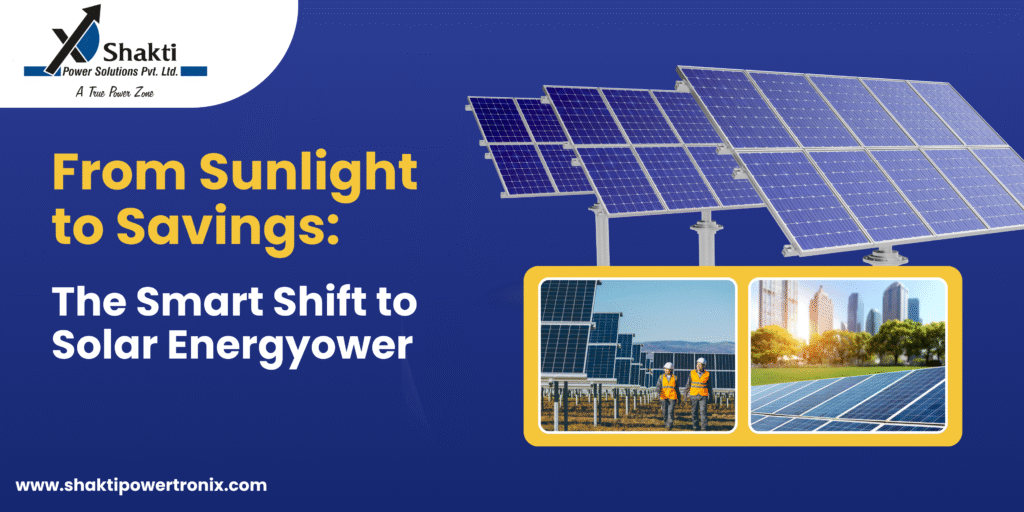
From Sunlight to Savings: The Smart Shift to Solar Energy

INTRODUCTION Solar Power is fast changing the world’s energy scenario. While the world is looking for cleaner and greener alternatives to conventional sources of power, solar power is notable for its potential to tap the vast power of the sun and generate electricity. This change not only serves environmental interests but also provides pragmatic advantages to individuals and enterprises. What is Solar Energy? Solar energy is a green and renewable source of energy from the sun itself. Solar energy captures sunlight and converts it into electricity in the form of photovoltaic (PV) cells. PV cells are made of special material-mostly silicon-with the aim of capturing the rays of the sun. When the sunlight hits a PV cell, the electrons in the substance become energized. The energy does so by exciting the electrons and making them flow and move, and thus generating the current of an electric flow. It is referred to as the photovoltaic effect, which solar panels make use of as a method of generating electricity. The PV Cells generate electricity, which is directly utilized to operate houses, shops, and machines, or stored in a battery to be used further. The sun’s solar energy is an unlimited, free source of energy, which is a green way of satisfying our increasing energy demands. Utilizing solar power, we can maximize our usage of fossil fuels, lower our carbon footprint, and make this world a green, clean world. How Solar Power Works? A solar power system harnesses the sun’s energy and delivers it as usable electricity to homes and businesses through a series of carefully designed components and processes. Key Components of a Solar Power System Step-by-Step Process: From Sunlight to Usable Power Solar power systems are cost-effective, scalable, and eco-friendly, and hence a viable solution for reducing energy bills and carbon footprint, and enabling energy independence. Types of Solar Panels The choice of a suitable solar panel is a vital component involved in the development of an inexpensive yet efficient solar power system. Now, three main types of solar panels are being utilized the most; each of these types has unique attributes and features: Polycrystalline Panel Polycrystalline panels consist of multiple silicon crystals fused into a single piece, resulting in a blue, speckled appearance. They are generally less expensive than monocrystalline panels and are commonly used for large installations where space is not such a problem.  Less efficient than polycrystalline panels, they still offer stable performance and a reasonable compromise between price and output. Thin-Film Panels Thin-film photovoltaic panels are built up by depositing one or more layers of photovoltaic material onto a flexible substrate. This build-up makes them lightweight and flexible enough to be used on a variety of surfaces, for example, irregular or curved surfaces. Thin-film panels are less efficient than crystalline silicon panels, but their flexibility and simplicity of installation mean they are worth considering for certain commercial or industrial applications, or portable solar use. All solar panel models have their own strengths and are best suited for specific needs and setups. A solar expert such as the team at Shakti Power Solutions will be in a position to help you choose which type of panel will best cater to your energy need, budget, and installation location. This ensures that you are in a position to derive the maximum value and efficiency from your solar investment.

Blog

Cracking the Code of Clean Energy: How Solar Panels Deliver Power

Have you ever wondered how a simple sheet of glass on your roof can power your entire home? Solar panels might look like science fiction, but their magic is grounded in real, fascinating science.It’s not just glass and silicon—it’s a silent engine reshaping how the world is powered. What is Solar Energy? Solar energy is the radiant light and heat emitted by the sun, harnessed using modern technologies to generate electricity, heat water, or fuel sustainable systems. It’s a clean, renewable, and abundant source of energy that reaches the Earth every day—free of cost and full of potential. By capturing just a fraction of this energy, we can power homes, cities, and even entire countries—without burning a single fossil fuel. What is a Solar Panel? A solar panel, also known as a photovoltaic (PV) module, is a device designed to convert sunlight into electricity. It consists of multiple photovoltaic cells, typically made from silicon, that generate electrical current when exposed to light. These cells are arranged within a panel, and several panels can be connected to form a solar array, allowing for greater energy output. Such arrays are used in a wide range of applications, from residential rooftops to large-scale solar power plants. A solar cell is a single semiconductor device that converts sunlight directly into electricity through the photovoltaic effect.  In contrast, a solar panel is a structured assembly of multiple solar cells connected together to collectively generate a higher and more practical electrical output for residential, commercial, or industrial use. The Key Players in Solar Energy Conversion Meet the components that capture and convert sunlight for your home. How Do Solar Panels Work? Ever wondered how sunlight becomes the energy that lights up your home? The secret lies in the remarkable science of solar panels. Solar panels are the heart of a solar photovoltaic (PV) system, an innovative technology that transforms sunlight into clean, reliable electricity. Exploring how this system works unveils the fascinating blend of science and engineering powering today’s sustainable energy solutions. Sunlight Activation: When sunlight strikes the solar panels, the energy carried by the sun’s photons excites electrons in the silicon-based photovoltaic cells within the panels. This phenomenon, called the photovoltaic effect, releases electrons and creates an electric current that begins to flow through the material. Electricity Generation: This flow of electrons produces direct current (DC) electricity—the raw electrical power generated continuously while sunlight is present. This makes solar panels a dependable energy source throughout daylight hours.  Example : Just like a sandwich, every layer has its role—from the bread (glass and back sheet) to the filling (PV cells), everything is packed for performance. Top 8 Benefits of Solar Energy Using the power of the sun through solar panels and solar PV systems brings many advantages, making it one of the smartest energy choices for a greener future. Here are the main reasons why more people and businesses are switching to solar energy every day: 1. Clean and Environmentally Friendly Unlike traditional energy sources that can pollute the air and water, solar energy is completely clean. Solar panels produce electricity without any harmful emissions, helping to protect the environment and lower your carbon footprint. 2. Reduces Dependence on Fossil Fuels When you use a solar PV system, you rely less on fossil fuels and other non-renewable energy sources. This reduces the strain on conventional power grids and supports a healthier, more sustainable energy mix. 3. Low Maintenance Solar panels are designed to last and need very little upkeep. Usually, just cleaning them twice a year by professionals keeps them working efficiently. Plus, the inverter might need replacing every 5 to 10 years, but overall maintenance costs are low compared to other energy systems. 4. Safer Than Traditional Power Solar energy systems don’t involve fuel or complex moving parts, so they are safer to use and maintain than many conventional power sources. 5. Renewable and Always Available Solar energy comes from the sun — a source that won’t run out anytime soon. Wherever you are, as long as there’s sunlight, solar panels can generate power, making it a truly renewable energy option. 6. Cuts Down Your Electricity Bills By generating your own electricity with a solar PV system, you can significantly reduce your monthly energy bills. How much you save depends on your usage, but many people see noticeable drops in their expenses. 7. Can Be Used in Many Ways Solar power isn’t just for homes. It’s used in industries, remote locations without grid access, water heating systems, and even space exploration. Solar panels are versatile and adapt well to different needs. 8. Boosts Technology and Industry The growing demand for solar PV systems is driving innovation and growth in the energy sector. As the technology improves, solar power is becoming more efficient and affordable, opening doors for wider adoption worldwide. Switching to solar panels not only helps you save money but also supports a cleaner planet. Thinking of going solar? Understanding the limitations is just as important as knowing the benefits. Here are a few things to consider. 1. Depends on Weather and Sunlight Solar panels work best on bright, sunny days. Their performance drops when it’s cloudy, rainy, or during the night—so backup options like batteries or grid connection are often needed. 2. High Setup Costs The initial cost of installing a solar PV system can be high. You’ll need to invest in panels, an inverter, wiring, and sometimes batteries. Over time, you’ll save money, but the upfront cost can be a hurdle. 3. Battery Storage is Expensive If you want to store extra solar power for use at night, you’ll need batteries—and these don’t come cheap. They may also need replacing after a few years, which adds to the cost. 4. Needs Space to Work Well Solar panels need open, sunny areas to produce enough electricity. If your roof is small, shaded, or not positioned right, you might not get the full benefit. 5. Output Can Vary Not all solar panels are

Blog

From Myth to Fact: Separating Solar Fiction from Reality

Think solar panels only work in hot, sunny weather? Or that they’re too expensive and high-maintenance? You’re not alone—there are a lot of myths out there that make people second-guess going solar. But the truth? Solar energy has come a long way. It’s now more affordable, low-maintenance, and works well in all kinds of weather. In this section, we’re busting the most common solar myths and giving you the real facts—so you can make smart, confident choices about clean energy. Why Getting the Facts About Solar Energy Makes a Difference? Clearing up these common myths removes the guesswork and concerns many people have about switching to solar. When you know exactly what solar power is capable of—and where its limits lie—you can make smarter choices that fit your lifestyle and budget.  Whether you’re a homeowner, business owner, or part of a community, knowing the real facts about solar energy makes the transition less overwhelming and more exciting. With technology constantly improving and more options becoming available, staying informed is the best way to unlock all the incredible benefits solar energy offers, for you and the planet. Clarifying Common Misconceptions About Solar Energy Myth 1: Solar panels don’t work on cloudy days Truth: Solar panels don’t require direct sunlight to generate power. Even on cloudy or overcast days, they can capture diffused sunlight and continue producing electricity — although the output might be a bit lower compared to bright, sunny conditions. Myth 2: Solar energy is too expensive Truth: The cost of solar panels has dropped dramatically in recent years, making solar energy more accessible than ever. On top of that, government rebates and incentives can significantly lower upfront costs, turning solar into a smart, money-saving investment that pays for itself over time. Myth 3: Solar panels need constant maintenance Truth: Solar panels are built tough and require very little upkeep. Usually, a simple cleaning once or twice a year to remove dust and debris is enough to keep them running efficiently — no complicated maintenance needed. Myth 4: Solar panels damage your roof Truth: When installed properly, solar panels protect your roof by shielding it from harsh weather and wear. They’re designed to sit securely without causing damage — and can even extend your roof’s lifespan. Myth 5: You can’t power regular appliances with solar energy Truth: Solar systems are more powerful than you might think. They can run most household appliances like refrigerators, washing machines, and air conditioners, making solar a reliable energy source for everyday living. Myth 6: Solar panels only work in warm, sunny places Truth: Solar panels actually perform well in all kinds of weather. In fact, cooler temperatures can help them work even better! As long as there’s daylight, they can generate electricity — whether it’s cold, sunny, or cloudy. Conclusion: Embracing Solar with Confidence Understanding and addressing the common myths surrounding solar energy is crucial for making well-informed decisions. By separating fact from fiction, you can better appreciate the true capabilities and benefits of solar power. As technology evolves, and becomes more accessible, embracing accurate knowledge will not only empower you but also contribute to a cleaner, greener future for all. Taking this step today paves the way for sustainable energy solutions that benefit both your lifestyle and the planet.

Scroll to Top