
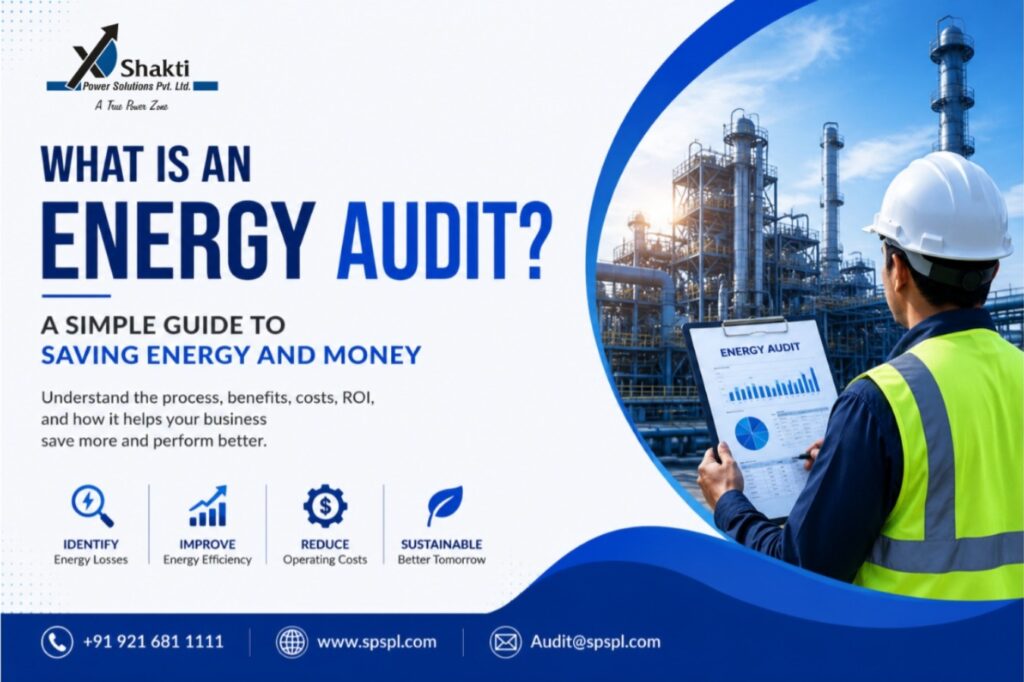
What is an energy audit? A simple guide of saving energy and money
The growing era is the era of technology and its usage in almost all sectors, such as pharmacy, beauty, construction, or even education. But the more the use of technology, the more the use of electricity, due to which cost control becomes important, which also decides the financial well-being of any business. For such an issue, energy audits play an important role An energy audit is a systematic process for assessing electricity use and distribution across different floors or departments in a building or factory or in manual work at home. It helps identify waste and ensure effective, efficient solutions to stop it. Why are energy audits important? An energy audit is a systematic procedure that looks at how energy is distributed and used in a building, factory, or other facility. It looks at every level—floor by floor, department by department, machine by machine—to identify waste and offer practical, cost-effective solutions. View this post on Instagram A post shared by Shakti Power Solutions Pvt. Ltd. (@shaktipowersolutions) Think of it as a thorough assessment of the energy system of your building. Similar to how a doctor establishes what’s wrong before prescribing treatment, an energy auditor pinpoints the exact area of your energy leak before offering solutions. In India, energy audits are governed by the Bureau of Energy Efficiency (BEE) under the Energy Conservation Act, 2001. Large energy-consuming industries — called Designated Consumers (DCs) — are legally required to conduct periodic energy audits under BEE regulations. These include industries in sectors like cement, steel, fertilizers, textiles, and chemicals. Even if your business is not a designated consumer, a voluntary energy audit can deliver significant financial benefits. Who Needs an Energy Audit? Almost any organization that pays an electricity bill can benefit from an energy audit. However, it is particularly useful for: In other words, an energy audit will be cost-effective if energy is a major expense for your company. Why Are Energy Audits Important? One straightforward truth makes the significance of an energy audit clear: every company has limited resources, and unchecked energy waste discreetly reduces profitability on a monthly basis. What an energy audit provides is as follows: Types of Energy Audit The size of your company, the level of research needed, and your budget all play a role in selecting the best kind of energy audit. Features: Ideal for: Homes, small companies, and organizations doing their first energy audit. Features: Ideal for: Hotels, hospitals, commercial buildings, and medium-sized to big factories. Features: Ideal for: Big businesses, government buildings, and organizations seeking green bonds or energy efficiency finance. How Does an Energy Audit Actually Work? Step by Step This is something that most energy audit websites do not provide; however, every business owner truly wants to know. Step 1: First Data GatheringThe auditor gathers utility data, historical energy bills, and basic facility information. This presents a baseline representation of the existing energy usage patterns. Step 2: Physical Inspection and Site VisitAll energy-consuming systems, including lighting, HVAC, motors, pumps, compressed air systems, insulation, and manufacturing equipment, are physically inspected by the auditor when they visit the facility. Power analyzers, lux meters, and thermographic cameras are a few examples of specialized equipment. Step 3: Data AnalysisTo find inefficiencies, waste areas, and energy loss areas, all gathered data is evaluated. The auditor determines the precise amount of money and energy lost at each stage. Step 4: Audit Report and SuggestionsAll of the findings, the prioritized recommendations, the anticipated cost and energy savings for each item, and the estimated implementation costs are compiled into a thorough report. Step 5: Assistance with ImplementationThe facility management team or an energy solutions supplier receives the recommendations for execution. The true savings start at this point. Step 6: Observation and VerificationEnergy use is monitored over time after deployment to ensure that the expected savings are being achieved and maintained. How Long Does an Energy Audit Take? Audit Type Typical Timeline Preliminary (Walk-Through) 1 to 2 days Detailed (Comprehensive) 1 to 3 weeks Investment-Grade 1 to 3 months Timelines vary depending on the size and complexity of the facility. How Much Does an Energy Audit Cost? Energy audit costs in India vary based on the type of audit and the size of the facility. Audit Type Approximate Cost Range Preliminary Audit ₹5,000 – ₹25,000 Detailed Audit ₹25,000 – ₹2,00,000 Investment-Grade Audit ₹2,00,000 and above While the upfront cost may seem significant, it is important to remember that energy audits typically pay for themselves within the first few months of implementing recommendations—through direct savings on electricity bills. Common Energy Wastage Areas Found During Audits Energy auditors frequently discover waste in the same locations in Indian industrial and commercial buildings: Significant cost savings can be achieved by identifying and resolving even two or three of these issues. What Happens After the Audit? ROI and Payback The audit report is the beginning, not the end. Following recommendations, companies usually observe the following: Once the waste is found and fixed, a well-conducted energy audit offers one of the best returns on investment for any company, with no risk. Energy Audit vs Energy Management—What’s the Difference? Many people confuse the two. Here’s a simple distinction: Energy Audit Energy Management A one-time or periodic assessment An ongoing, continuous process Identifies current wastage and inefficiencies Monitors and controls energy use over time Produces a report with recommendations Implements and tracks those recommendations daily Starting point Long-term system Think of an energy audit as the diagnosis. Energy management is the ongoing treatment. Both are necessary for a healthy, cost-efficient energy system. Conclusion: An energy audit is not just a cost-cutting exercise. It is a strategic business decision. In a time when electricity costs are rising, environmental regulations are tightening, and competition is intensifying—knowing exactly where your energy goes and fixing what’s broken is no longer optional. It is essential. The businesses that invest in understanding their energy consumption today will operate at lower costs, with better equipment, and in a stronger competitive position tomorrow. At Shakti Power Solutions, we provide comprehensive energy audit